

Why winter outages last longer
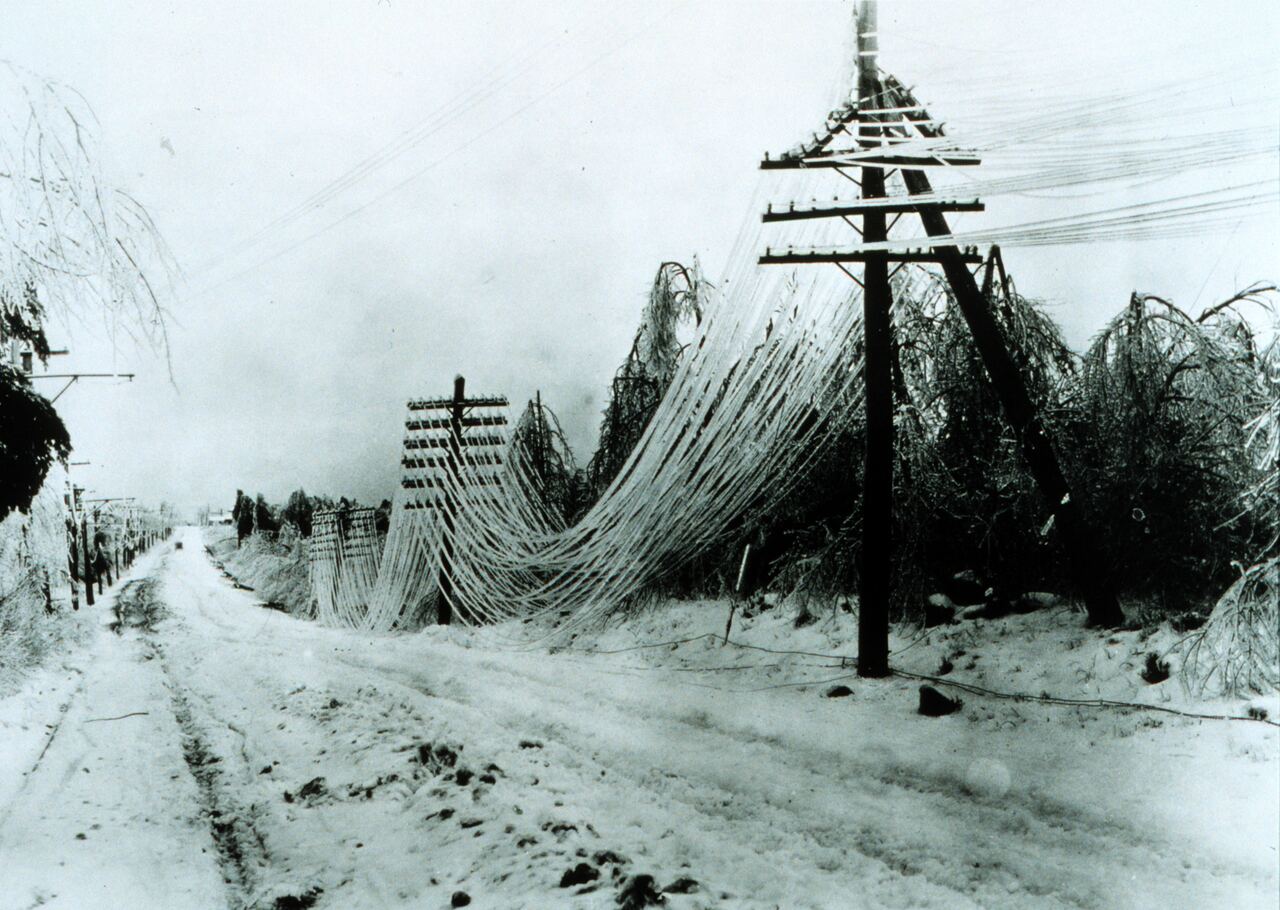
Ice and heavy wet snow pile weight on trees and lines. Branches snap, poles fall, and crews have to work in dangerous conditions on icy roads. Windstorms do the same thing in hours. Around Spokane, the long outages people remember — Ice Storm '96 and the November 2015 windstorm — both left some homes dark for a week or more in the cold.

Get the house ready (fall checklist)
When a storm is coming
- Fill the car's gas tank and charge every battery and phone.
- Pick up medications, groceries and a few days of easy food.
- Freeze jugs of water to keep the freezer cold longer.
- Turn the fridge and freezer to their coldest settings.
- Bring in pets and secure livestock with shelter, bedding and unfrozen water.
- Know where your nearest warming center will be.
During a winter outage
- Set up a warm room right away, before the house cools off.
- Drip faucets and open sink cabinets.
- Stay off the roads unless you have to go. If you must drive, carry your car kit.
- Shoveling is hard on the heart. Take breaks, push instead of lift, and stop if you feel chest pain or shortness of breath.
- Watch everyone — especially older adults and babies — for signs of hypothermia.
Carbon monoxide peaks in winter outages
Most CO deaths happen in winter storms, when people bring grills, generators and camp stoves inside, or run cars in garages to keep warm. Don't. Keep the generator 20 feet out, and keep snow cleared from its exhaust and from furnace and dryer vents on the outside of your house.
If the house gets too cold
If you can't keep any room above about 50–55°F, it's time to go to family, a hotel, or a warming center. Before you leave a house that will freeze:
- Shut off the main water valve.
- Open all faucets, starting at the top floor, to drain the lines.
- Turn off and drain the water heater (power or gas off first).
- Flush the toilets and pour RV antifreeze into the toilet bowls, sink drains and tub drains.
- Turn off the main breaker so appliances don't surge when power returns, but leave one light on (switch on) so neighbors can tell when power is back.
Ice dams and heavy roof snow
Heavy wet snow can weigh up to about 20 pounds per cubic foot. Watch for sagging ceilings, new cracks, and doors that suddenly stick. Use a roof rake from the ground to pull snow off the lower edges. Don't climb on an icy roof.
Sources: Ready.gov — Winter Weather · CDC — Winter Weather · NWS Spokane · Avista 2015 windstorm report