

Rule number one: fuel-burning cookers go outside
Carbon monoxide
Charcoal grills, gas grills, camp stoves, rocket stoves and generators all make carbon monoxide. Never use them inside a house, garage, tent, porch with the walls closed in, or near an open window. Burning charcoal indoors can kill in minutes.
The one exception is a small butane stove rated for indoor use, used briefly with ventilation and a working CO alarm. Even then, outdoors is better.
If you have a gas range with a pilot-less electric igniter, the burners often still work: light them with a match. Do not use the gas oven or range to heat the house.
Your options
| Cooker | Fuel | Good for | Notes |
|---|---|---|---|
| Camp stove (propane or butane) | 1 lb propane cylinders, butane canisters, or a 20 lb tank with an adapter | everyday meals, boiling water | Easiest choice. A 1 lb cylinder runs about 1–2 hours on high. |
| Gas grill | 20 lb propane tank | grilling, a pot on the side burner | A full 20 lb tank lasts about 18–20 hours of cooking. Keep a spare. |
| Charcoal grill | charcoal | grilling, Dutch oven | Store charcoal dry. Douse ashes fully. |
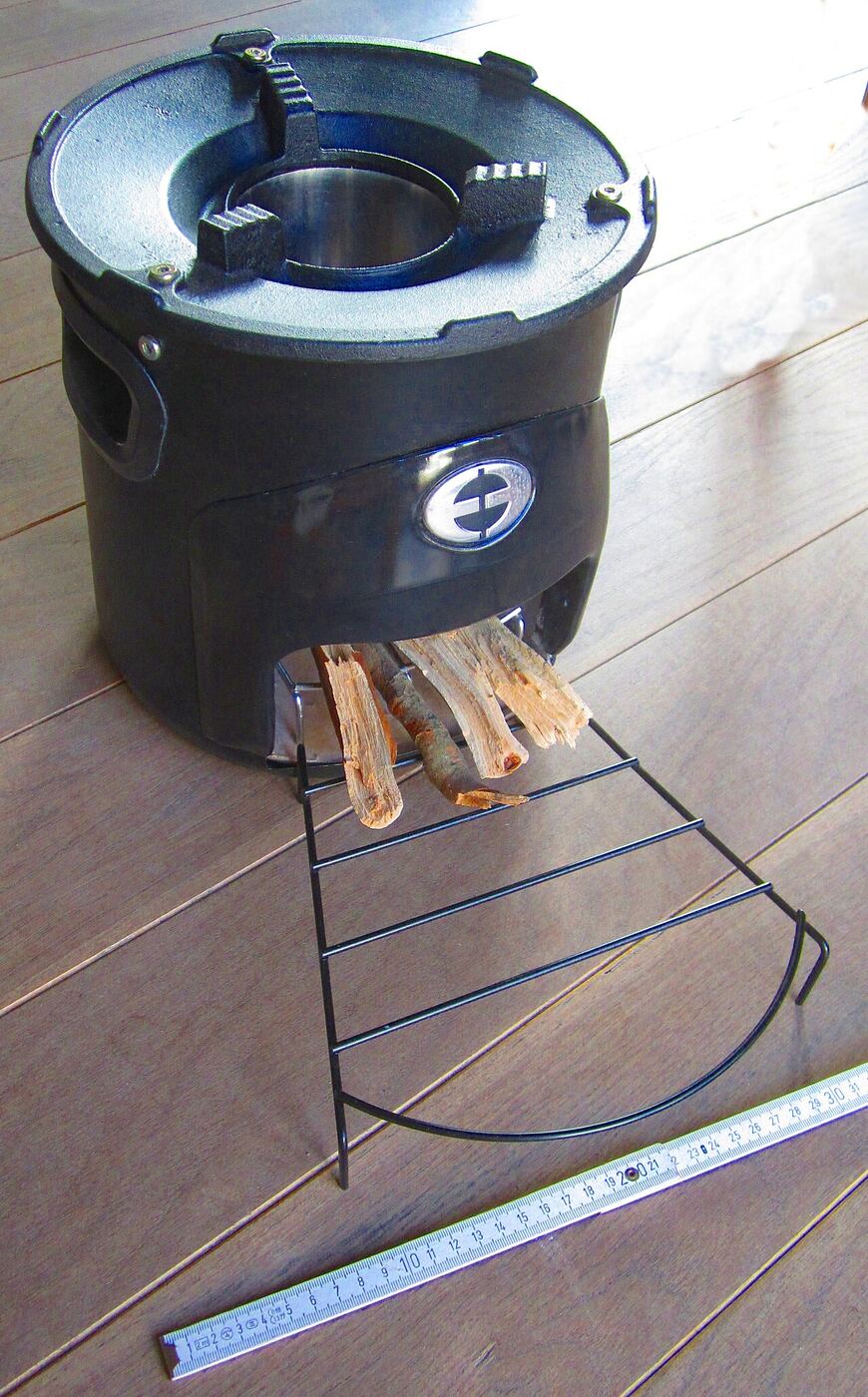
| Rocket stove | sticks, twigs, pinecones | boiling, frying | Burns almost anything; uses very little wood. |
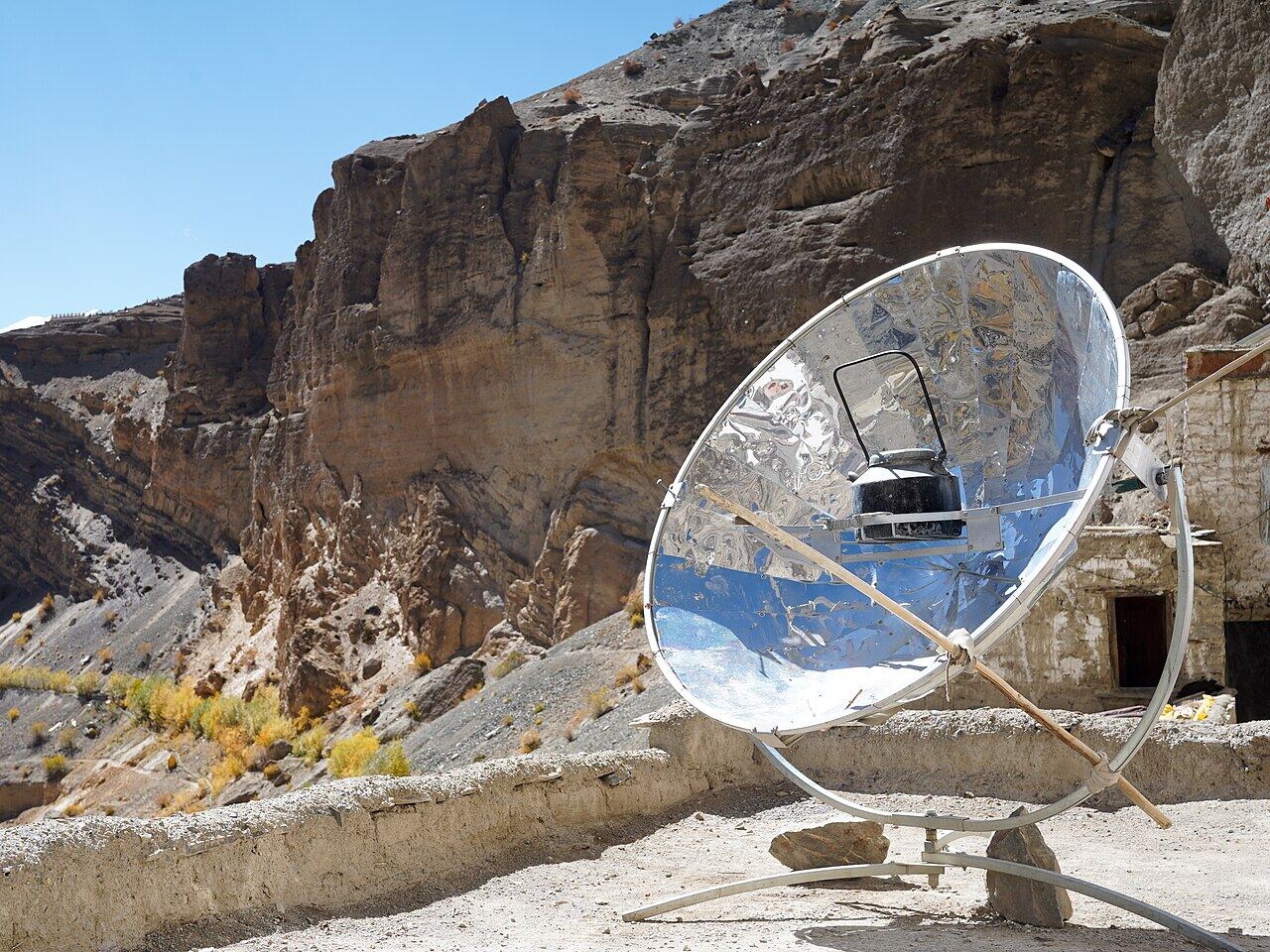
| Solar oven | sunshine | slow cooking, baking, pasteurizing water | Free fuel, but needs clear sun and patience. |
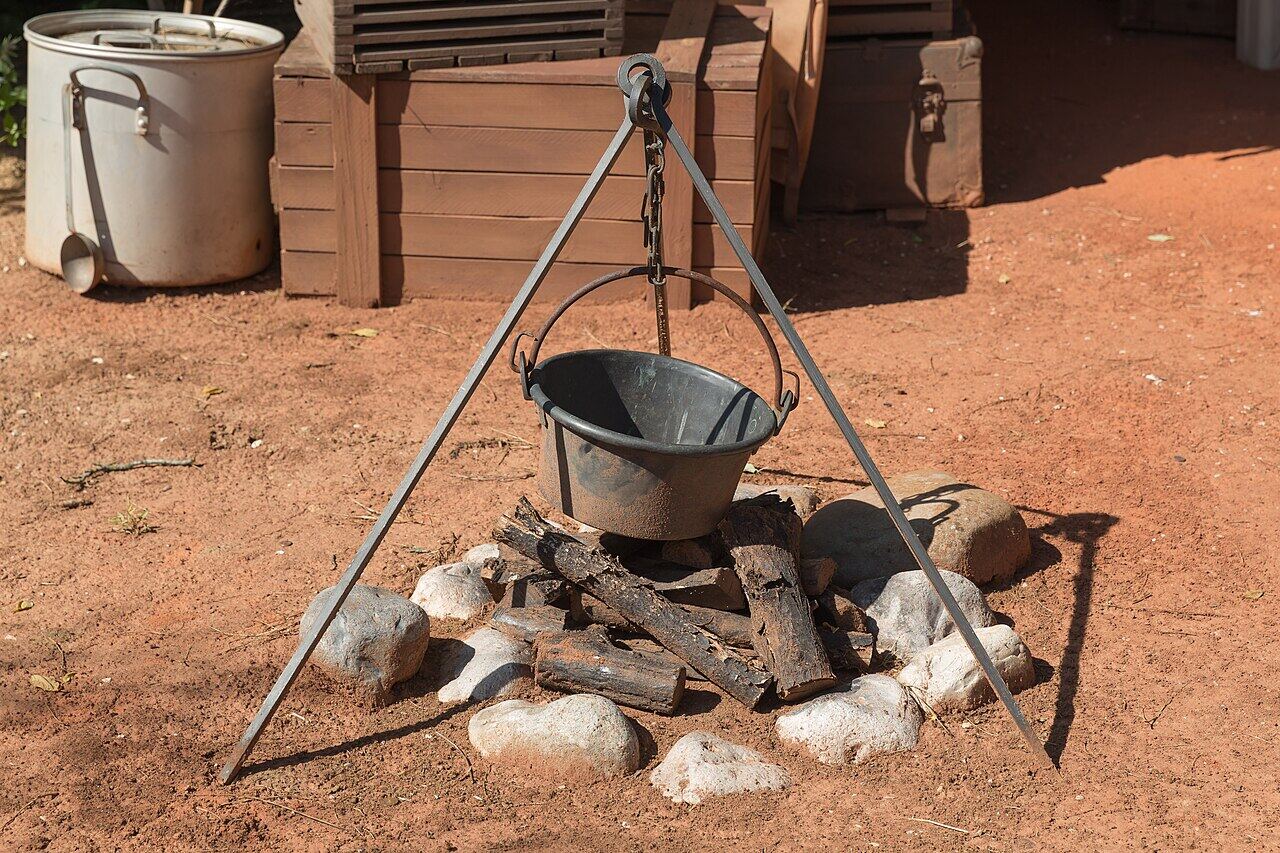
| Fire pit / fireplace | firewood | Dutch oven, foil packets, grates | Fireplaces only with a working, clean chimney. |
| Fondue / chafing fuel, alcohol stove | canned heat, denatured alcohol | warming food | Small and slow, but simple. |

Make the fuel go further
- Cook one-pot meals. Pasta, rice and canned stews cook in one pot.
- Use a lid — it cuts cooking time and fuel use dramatically.
- Soak pasta, rice and dried beans for a few hours first. They cook much faster.
- Retained-heat (thermal) cooking: bring food to a boil for a few minutes, then wrap the covered pot in towels, blankets or a sleeping bag, or put it in a cooler. It keeps cooking on its own for hours. Rice, oatmeal, beans and stews all work. Bring it back to a boil before serving if it has cooled below 140°F.
- Boil water once and fill a thermos. You'll have hot water for coffee, tea, instant oatmeal and dishes all day.
The rocket stove
A rocket stove is an L- or J-shaped insulated chimney. Fuel feeds in at the bottom, and the tall burn chamber pulls air through fast, so it burns hot and clean with very little smoke. You can buy a compact steel one or build one in five minutes from four concrete blocks — see the video below.
Feed it pencil-to-thumb-thick sticks, a few at a time. It will boil a quart of water with a handful of twigs.
The solar oven
On a clear day, a solar oven reaches 250–350°F. It's perfect for stews, beans, rice, bread and even pasteurizing water (holding water at 149°F for several minutes kills most germs, but boiling is the reliable standard).
- Point it at the sun and re-aim every 30–60 minutes.
- Use dark, thin, lidded pots.
- Start meals by late morning. Cooking takes 2–3 times longer than on a stove.

Cooking over a fire
- Build your fire in a fire ring or pit, away from buildings, fences and overhanging branches. Check local burn bans first — especially in summer.
- Cook over coals, not flames. Let the fire burn down to a glowing bed.
- A cast-iron Dutch oven with coals on the lid and underneath will bake bread, roast meat and simmer chili.
- Foil packets: meat, sliced potatoes, onions and butter, wrapped tight and set in the coals for 20–30 minutes.

No-cook meals
Have a few days of meals that need no heat at all: peanut butter and crackers, tuna salad, canned beans and salsa in tortillas, cereal with shelf-stable milk, trail mix, canned fruit. These save fuel and are lifesavers if you're sick or exhausted.
Sources: CDC — Carbon Monoxide Poisoning · Ready.gov — Power Outages · NFPA — Grilling safety