

In the cold: make one warm room
A whole house loses heat fast. One small room is easy to keep warm.
- Pick the room: small, on the south side or interior, with few windows. It should have a door you can close. A room with a wood stove or fireplace is ideal.
- Close it off: shut the door, and roll a towel along the bottom. Hang blankets over doorways without doors.
- Cover windows: close curtains at night. Tape plastic sheeting, bubble wrap or blankets over windows. Open south-facing curtains on sunny days to let the sun in.
- Get off the floor: put rugs and blankets down. Sleep on cots, couches, or a thick pad.
- Put everyone in it together. Each person gives off about as much heat as a 100-watt bulb. Pets help too.
- Put up a tent indoors. A small tent in the warm room, with sleeping bags inside, can be 10–20°F warmer than the room.
Dress and eat for warmth
- Layers: a wicking base layer (wool or synthetic, not cotton), an insulating middle (fleece, wool sweater, down), and a windproof outer layer.
- Hat, socks, gloves. Wear them indoors and to bed. Change damp socks right away.
- Sleeping bags rated to 20°F or lower, plus a wool blanket. Put a hot-water bottle (or a sealed bottle of hot water) at your feet.
- Eat and drink. Your body makes heat from food. Warm, sweet drinks and regular snacks help a lot. Skip alcohol — it makes you lose body heat.
Heating safely without electricity
| Heat source | Safe indoors? | Must-dos |
|---|---|---|
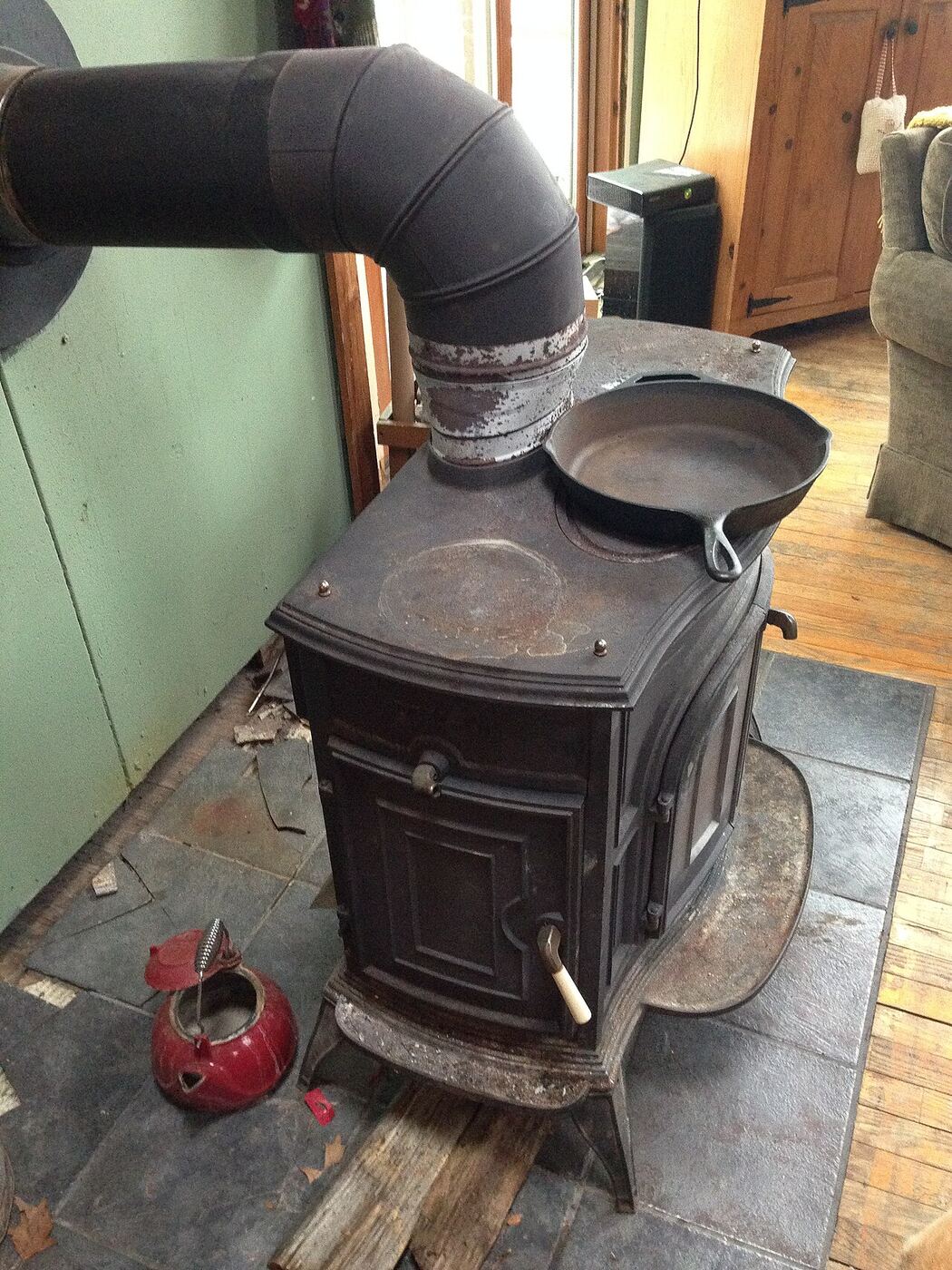
| Wood stove / fireplace insert | Yes, if installed to code | Clean chimney yearly; CO alarm; 3-foot clear zone |
| Open fireplace | Yes, but inefficient | Most heat goes up the chimney. Use a screen. |
| Indoor-rated portable propane heater (e.g. "Buddy"-type) | Only if labeled for indoor use | Low-oxygen shutoff; crack a window; CO alarm; never while sleeping |
| Kerosene heater | Only if labeled for indoor use | K-1 kerosene only; refuel outdoors when cool; ventilate |
| Gas oven or range | No | Never use to heat a home |
| Charcoal or gas grill, camp stove, outdoor patio heater | No | Deadly carbon monoxide |
| Generator | No — outdoors only | Power an electric space heater or furnace blower instead |
Carbon monoxide alarms save lives
Put a battery-powered or battery-backup CO alarm on every floor and outside every sleeping area. Symptoms of CO poisoning feel like the flu: headache, dizziness, nausea, confusion. If anyone has them, get everyone outside to fresh air right away and call 911.
Gas furnace? Most need electricity for the blower and controls. A generator connected with a transfer switch or interlock can run one — they draw only about 300–800 watts.

Protecting your pipes
Burst pipes cause more damage than most outages. When the house is cooling below freezing:
- Drip faucets on outside walls, both hot and cold. Moving water resists freezing.
- Open cabinet doors under sinks so room heat reaches the pipes.
- Keep the garage door closed if water lines run through it.
- If the house will drop below about 40°F for a long time, shut off the main water valve and drain the system: open all faucets (highest first, then lowest), flush toilets, and drain the water heater (power off first). Pour RV antifreeze in sink and toilet traps.
Hypothermia and frostbite
Hypothermia is when body temperature drops below 95°F. It can happen indoors in a cold house, especially to older people and babies.
- Signs: shivering, clumsy hands, slurred speech, confusion, drowsiness. In babies: bright red, cold skin and very low energy.
- What to do: call 911. Get the person somewhere warm, remove wet clothing, and warm the center of the body first (chest, neck, head, groin) with blankets, dry layers and skin-to-skin contact. Warm, sweet drinks only if they're fully alert. Don't rub their arms and legs.
Frostbite shows as white or grayish-yellow, firm or waxy skin, usually on fingers, toes, nose or ears. Get to a warm place and soak the area in warm (not hot) water. Don't rub it, and don't rewarm it if it might freeze again.
In the heat: staying cool without AC
Summer outages often hit during heat waves, when the grid is most stressed.
- Move to the coolest room — usually the lowest floor or basement.
- Block the sun: close blinds and curtains on sunny sides during the day. Open windows at night when it's cooler outside, and close them in the morning.
- Drink water before you're thirsty. Avoid alcohol and heavy meals.
- Cool the body: wet towels on the neck, cool showers, feet in a basin of water, a spray bottle and a battery fan.
- Know the cooling centers: libraries, malls and community centers. In Spokane, the city announces cooling centers during heat waves.
Heat illness
| Heat exhaustion | Heat stroke — call 911 | |
|---|---|---|
| Skin | cool, pale, clammy, heavy sweating | hot, red, dry or damp |
| Mind | tired, dizzy, headache | confused, slurred speech, may pass out |
| Other | nausea, cramps, fast weak pulse | body temp 103°F or higher, fast strong pulse |
| Do this | move to cool place, loosen clothes, cool wet cloths, sip water | call 911, cool them fast (cold wet sheets, ice packs at neck/armpits/groin, fan). Don't give fluids if not alert. |
Sources: CDC — Winter Weather · CDC — Heat & Health · Ready.gov — Winter Weather · NFPA — Heating safety · Army FM 4-25.11 First Aid