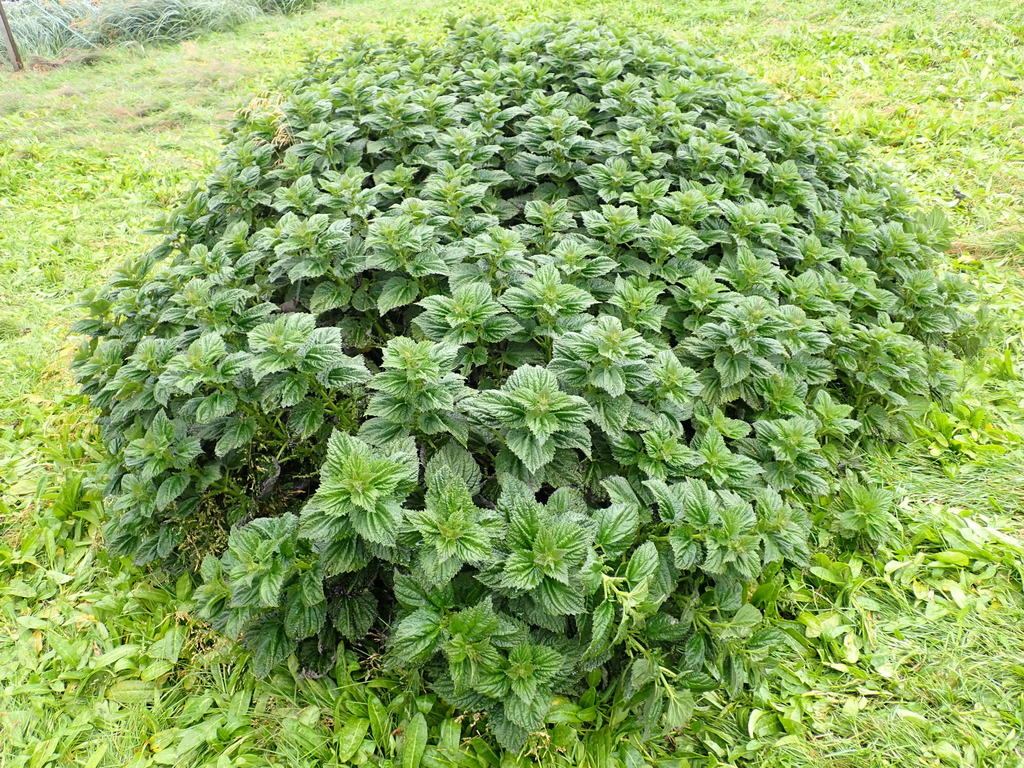
Stinging nettle
Urtica dioica · Wildflower / herb
📍 245 verified iNaturalist sightings in eastern WA & north Idaho.
⚠️ Cautions
Sting until cooked or dried; wear gloves; older plants gritty.
How to identify
Upright plant with opposite toothed leaves covered in stinging hairs; moist disturbed soil.
Food & traditional uses
Young tops boiled or steamed (sting disappears); one of the most nutritious greens; tea for allergies and joints.
More: iNaturalist · Wikipedia
Background
Urtica dioica, often known as common nettle, burn nettle, stinging nettle, nettle leaf, or just a nettle or stinger, is a herbaceous perennial flowering plant in the family Urticaceae. Originally native to Europe, much of temperate Asia and western North Africa, it is now found worldwide.
The species is divided into six subspecies, five of which have many hollow stinging hairs called trichomes on the leaves and stems, which act like hypodermic needles, injecting histamine and other chemicals that produce a stinging sensation upon contact ("contact urticaria", a form of contact dermatitis).
The plant has a long history of use as a source for traditional medicine, food, tea, and textile raw material in ancient (such as Saxon) and modern societies.
From Wikipedia, Urtica dioica, under CC BY-SA 4.0.